
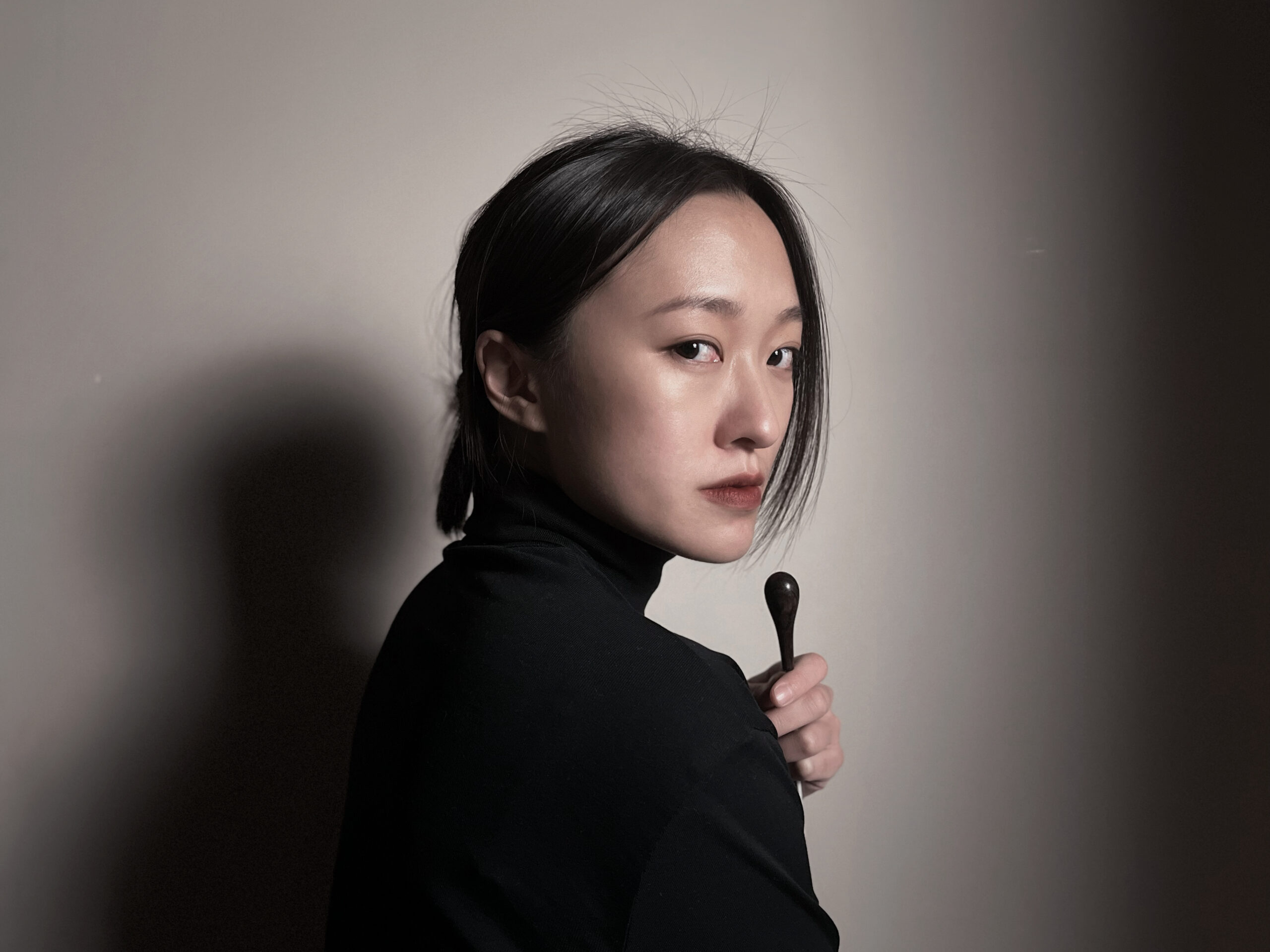
KELLY LIN (First Year Conductor, Graduating June 2026)
What has your experience been like?
KL: My experience in WML has been incredibly enriching. I have had the privilege to collaborate with some of the most talented musicians in the industry and renowned orchestras in Canada, gaining valuable insights from their artistic planning teams. This program has been transformative for me both musically and professionally, providing me with the necessary skills to lead, influence, and drive positive change within the Canadian music community. I am grateful for the opportunity to refine my conducting abilities and receive mentorship from top musicians, which has significantly contributed to my career growth.
What’s your take on the question about performer’s identity vs. composer’s intention?
KL: In classical music, there is a notion that musicians should submerge their identities into the composer's ideas and intentions. However, I believe that each musician brings a unique personality and interpretation to their performances, infusing the music with freshness and individuality. This personal touch adds depth and intrigue to familiar pieces, attracting audiences to experience the same masterpiece through the lens of different musicians each time.
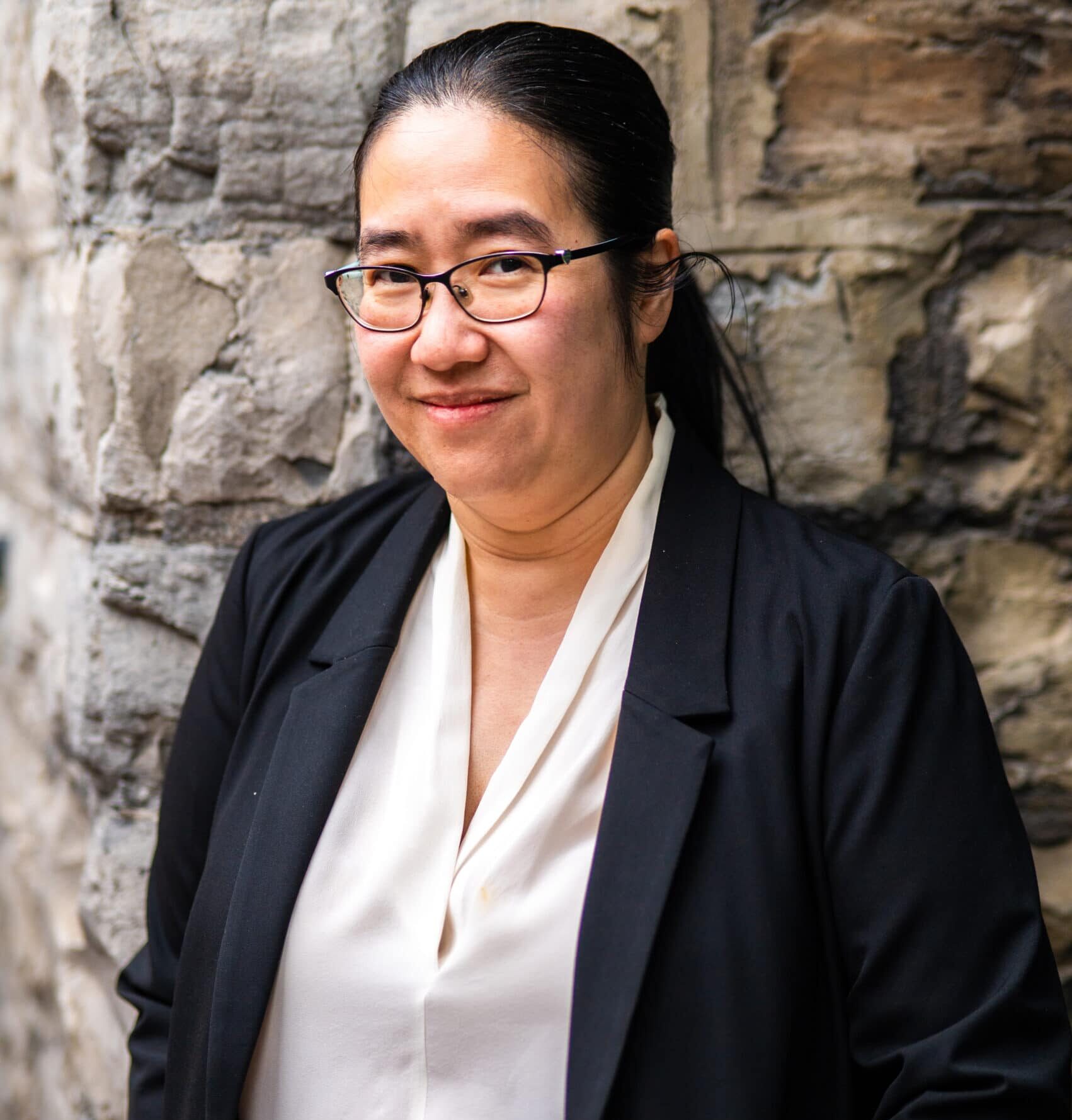
JENNIFER TUNG (Third Year Conductor, Graduating June 2024)
What has your experience been like?
JT: It has been an intense and wonderful experience. Here are opportunities that were made possible either directly or indirectly through the program:
- Conducted world premieres by Brian Current, Rodney Sharman, and Anna Pidgorna;
- conducted Kamloops Symphony, Calgary Philharmonic, Kingston Symphony and Symphony Nova Scotia;
- met top industry professionals like Dame Jane Glover, Karen Kamensek, Alexander Shelley, Gemma New.
What’s your take on the question about performer’s identity vs. composer’s intention?
JT: I do believe it is extremely important to research and know the composers’ intentions (historical context)…but I don’t believe that means our identities do not matter. Interpretation of art should always involve our own points of views and identities. But I do believe all the decisions/interpretation should be well informed.
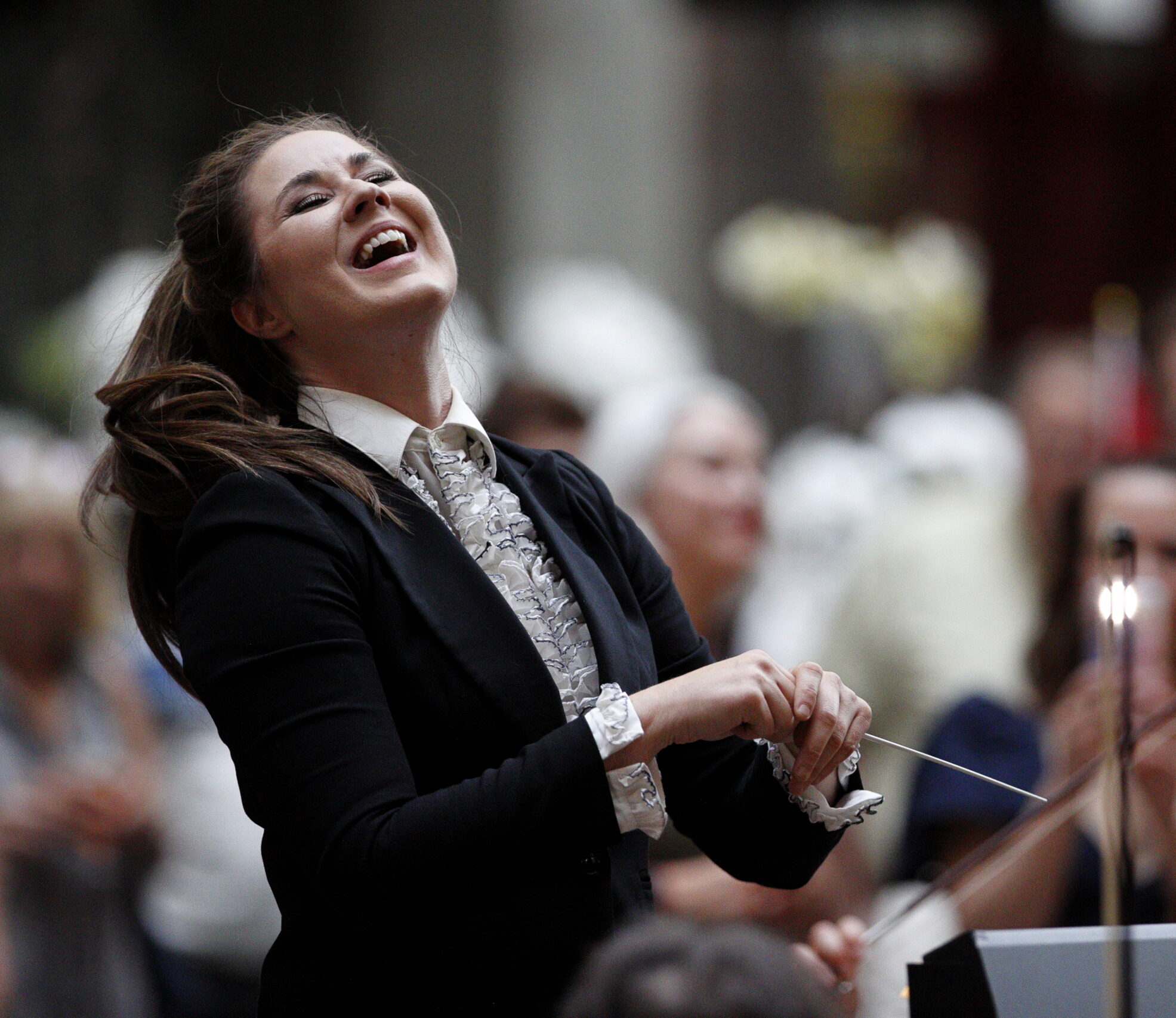 MARIA FULLER (Second Year Conductor, Graduating June 2025)
What has your experience been like?
MF: As well as debut appearances with great ensembles such as the Victoria, Winnipeg, Kingston, Hamilton, Kamloops, and Calgary orchestras, and with New Music Concerts Toronto, the Royal Conservatory of Music, and Music Niagara Festival, this year I was honoured to be a finalist at the Fitelberg International Competition, in Katowice, Poland. From this opportunity, I was invited to work several times as a conductor and repetiteur. (I am currently in Poland conducting a ballet and preparing to coach Hansel und Gretel!) I will return again to Poland in November, and to the Prague State Opera in February. This year also marks my first year as the founding Music Director of Ammolite Opera, in Calgary.
What’s your take on the question about performer’s identity vs. composer’s intention?
MF: That may depend on whether the individual finds it desirable to disappear. Music is a wonderful place to lose oneself — both the musician and the audience. A large part of me does long to disappear into the composer’s intention. I certainly cannot generalize this enormous and complex question of identity, but I can say that for myself when I am performing a tune on the piano, that identity, that being, up on stage is me. And the spirit on that stage is of me, whatever the perception, or the truth of that identity may be. With that knowledge, first I must remember not to freak out, and then: to smile, and be the best host, and ambassador that I can be. I must not disappear. I must evolve.
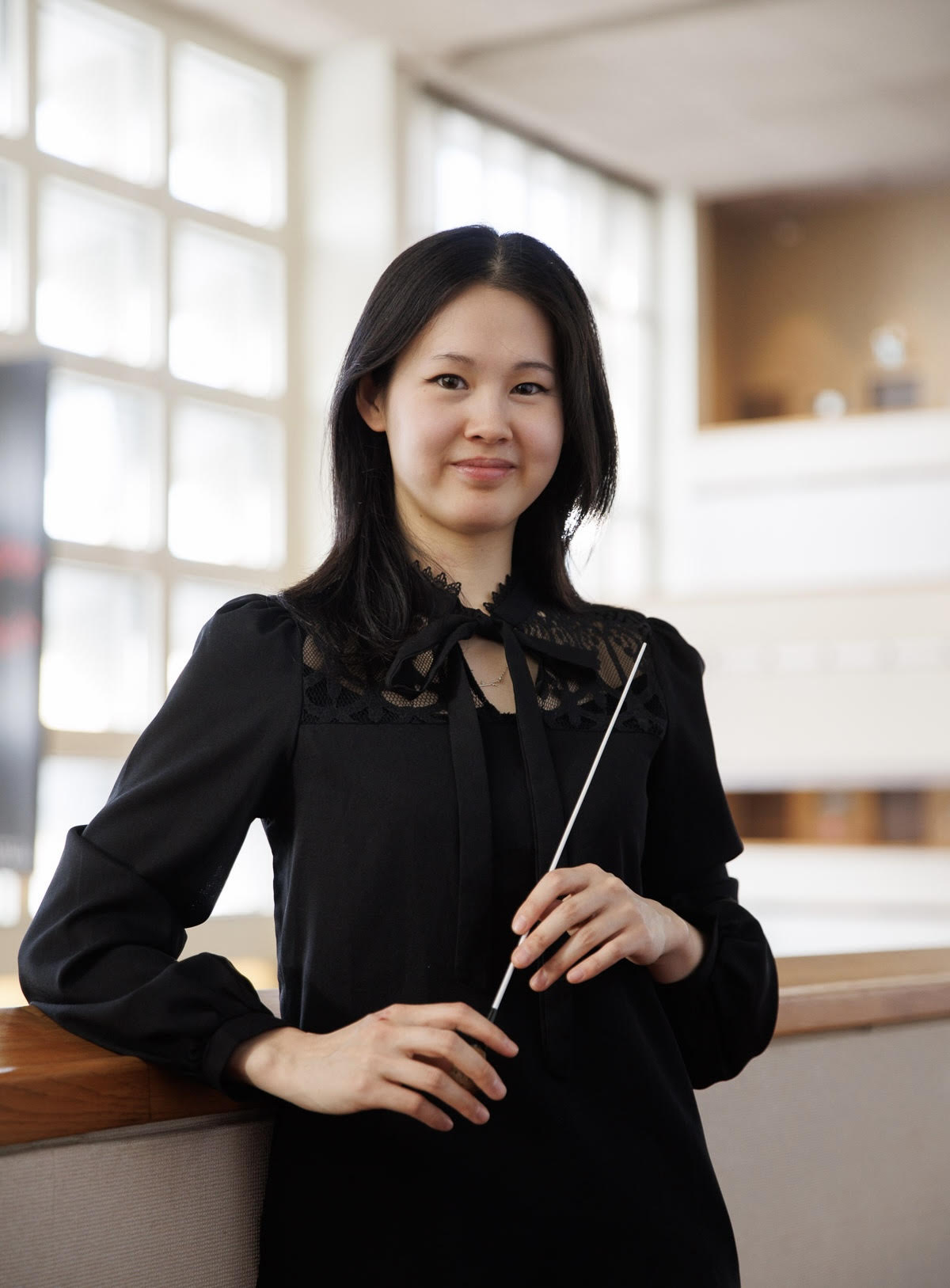 MONICA CHEN (First Year Conductor, Graduating June 2026)
What has your experience been like?
MC: This program has allowed me to connect with and experience a variety of orchestras and conductors across Canada. Typically, an assistant will only be limited to the experiences specifically to the orchestra that they are working with, but with Tapestry, I am able to travel and learn from multiple different organizations and people beyond the one orchestra that an assistant is often tethered to for the duration of their term. It is very enlightening to have a lot of exposure to the functions, highlights, programming, issues and quirks of each orchestra as well as witness the rehearsal process and chat with each conductor.
What’s your take on the question about performer’s identity vs. composer’s intention?
MC: I think the conductor’s goal is to be the advocate of the composer. As much information that there is on the page, it is not possible to fully communicate every intention, which does lead to a level of interpretation. Ultimately, though we are only trying to do what’s on the page, there always tends to be an unavoidable level of personal touch. Personally, I am only ever thinking about the composer, though my personal experiences will tend to help me interpret the underlying emotion and stories behind the dots and line.